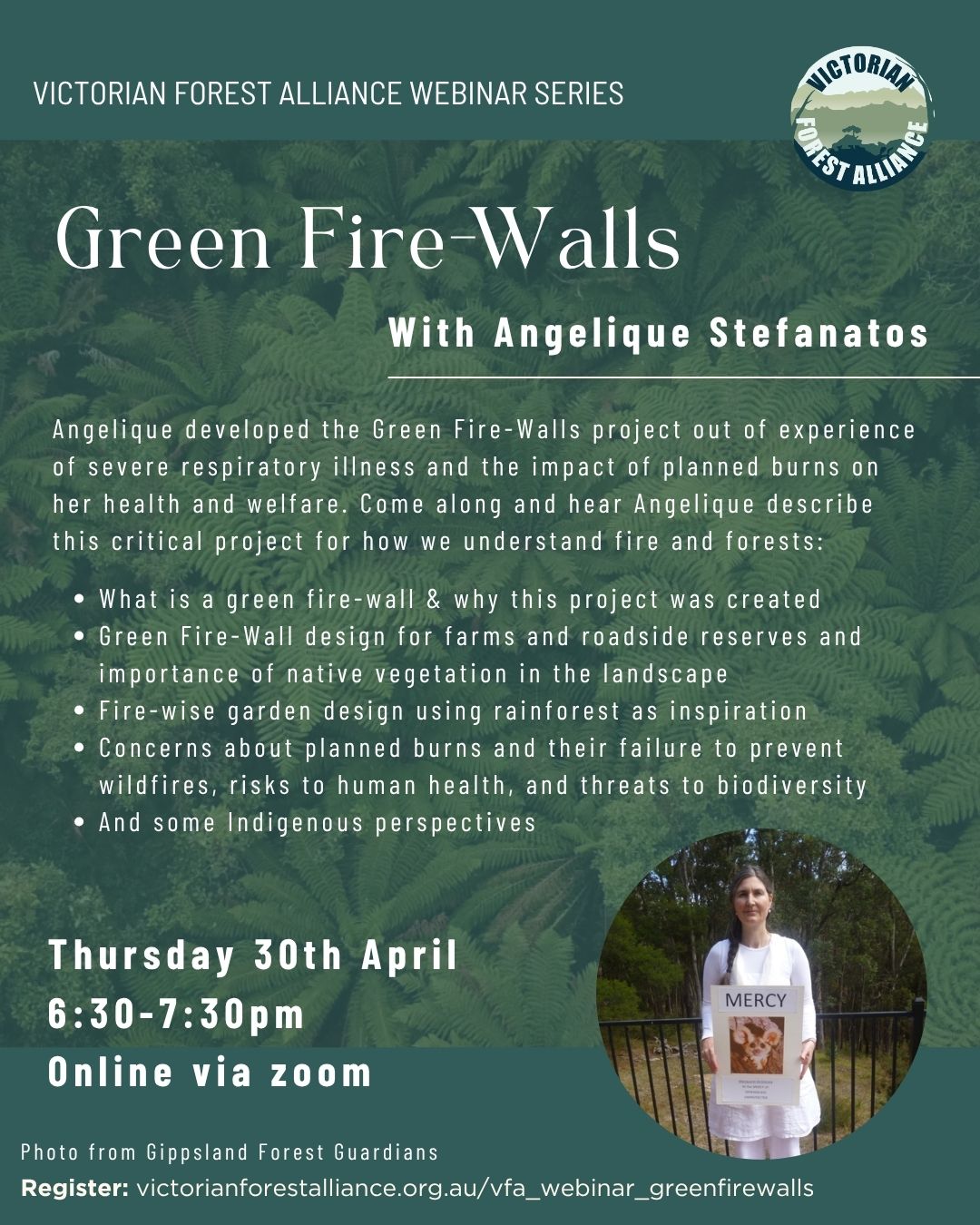
Green Fire-Walls

You might be interested in this webinar about what green fire-walls can do. Link to register. Thanks to FOBIF for sharing this information

Green Fire-Walls: A VFA Webinar

About the webinar

VFA have a webinar coming up with Angelique Stefanatos who developed the Green Fire-Walls project back in 2019 with a Gippsland Landcare Grant. This project came out of Angelique’s experience of severe respiratory illness and the impact of ‘planned burns on her health and welfare. It took 2 years to research and develop the fire-walls ‘toolkit’, which was then distributed to Gippsland Landcare groups and has now been picked up and adapted in other states.
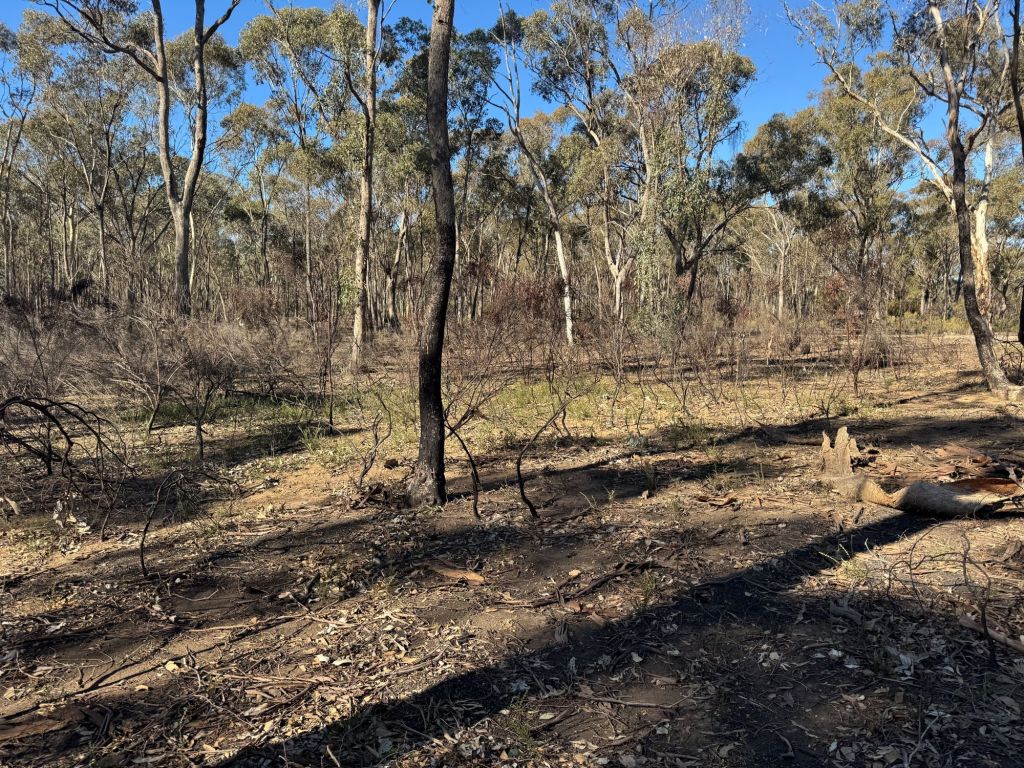
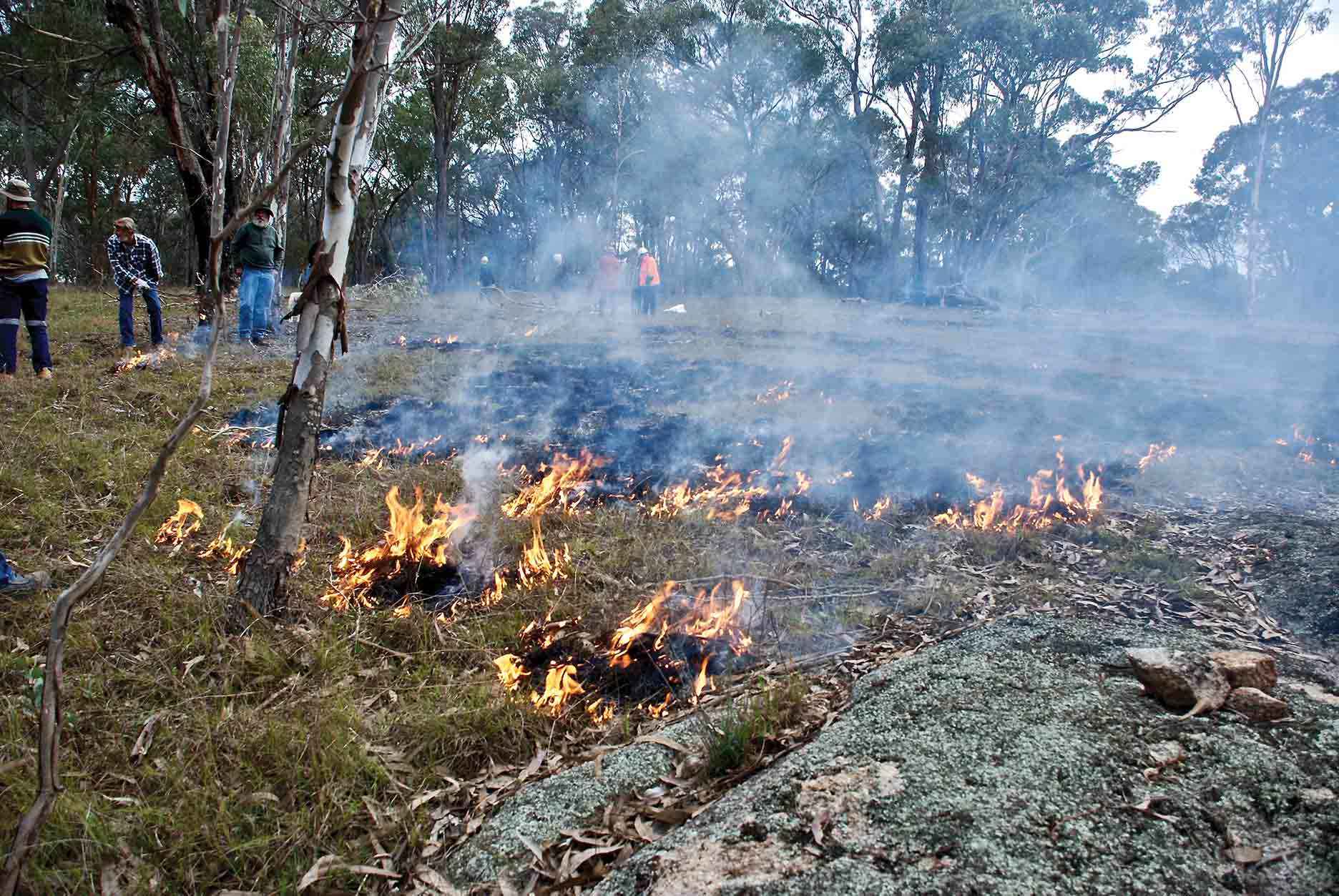
Hear Angelique describe this critical project for how we educate ourselves and others about how to understand fire and forests:

  • What is a green fire-wall & why this project was created
  • Green Fire-Wall design for farms and roadside reserves and importance of native vegetation in the landscape
  • Fire-wise garden design using rainforest as inspiration
  • Concerns about planned burns and their failure to prevent wildfires, their risks to human health, as well as their threats to biodiversity 
  • And some indigenous perspectives

Presenter Bio

Angelique Stefanatos grew up in the suburbs of Melbourne and studied Biological Sciences to become a zoologist. Her career and life were seriously impacted when she contracted a serious lung disease which left her with  life-long reduced lung capacity. After moving to the Northern Territory fort her dream job at the Alice Springs Desert Park, Angelique moved back to Victoria and settled near Lakes Entrance on a Trust For Nature property.

In 2015, having never experienced a Victorian planned burn before, she was unprepared for the fire that was lit along her boundary line, which smouldered all night, creating thick smoke and settling in her valley, nearly asphyxiating her while she slept. (Angelique calls herself ‘the human canary’ when it comes to being a living air quality monitor, due to her reduced lung capacity.)

This incident was devastating on her health and took months to recover, but was nothing compared to the emotional trauma and eco-anxiety she experienced in 2017, when Forest Fire Management Victoria cleared many linear kilometres of roadside vegetation on her doorstep, including recorded Greater Glider habitat. This was the ‘last straw’ for Angelique, and she deeply experienced what Professor Glenn Albrecht calls ‘Solastalgia’: the loss of solace and subsequent nostalgia for the environment to go back to how it was before a destructive event.

Angelique tried everything to stop the roadside clearing, including meetings with fire-managers and local politicians, newspaper articles, radio interviews, letters to state politicians and finally a mini blockade, but it was futile. Up until then she had felt ‘at one’ with her local environment, but due to of her sense of powerlessness, she experienced the 2017 roadside destruction of her plant and animal companions as a devastating soul-trauma, and found it more unbearable than the physical asphyxiation from the smoke in 2015.

The phrase she heard parroted back repeatedly from the fire managers was: “The public want more burning to feel safe.” So this is when she realised that she would have to create a non-threatening tool to help educate farmers, home gardeners and the general public, to help change the narrative. And that’s how the Green Fire-Walls project was born, thanks to a Landcare grant in 2019. It took 2 years to produce the fire-walls ‘toolkit’, which was then distributed to Gippsland Landcare groups and has now been picked up and adapted in other states.

 WHEN: April 30, 2026 at 6:30pm – 7:30pm
 WHERE: Online

Postponed – Renewing the forest with fire?

[Below is what we had planned]

Renewing the forest with fire?

A Newstead 2050 Community Conversation Thursday 10 July, 7pm-8.30pm, Mechanics Institute Hall, Newstead

Join us in July to learn about the different ways that fire is used in the Muckleford Forest, the processes and the outcomes. Looking at three recent planned burns, we’ll invite our panel to talk through the ways in which fire has been used and whether it might help renew the health of the forest.

Panel

  • Karl Just: botanist and zoologist, consultant specialising in flora and fauna surveys and ecological restoration projects
  • Levi Jessen-Fennell: Djaara Djandak Wi team leader involved planning and conducting the Dja Dja Wurrung cultural burns across Djaara Country
  • Geoff Park: Field naturalist, nature photographer and blogger, creator of the remarkable Natural Newstead blog.

The three recent Muckleford Forest examples are: Djaara Djandak Wi (or cultural burn) on Spring Hill Track just north of Newstead in 2023, and two planned burns conducted by Forest Fire Management Victoria (FFMV) along Bells Lane Track (2024) and in the Maldon Historic Reserve (2025).

Talking Fire, a project auspiced by Newstead 2050 Inc., is a community initiative designed to create community awareness and understanding about fire in the Box-Ironbark landscape that came out of the 2013 Newstead Community Plan. Talking Fire worked with Dja Dja Wurrung and Forest Fire Management Victoria to find a local area that could be the focus of Djandak Wi (‘Country Fire’) – or cultural burns – to demonstrate how fire might heal and renew Country; the area on Spring Hill Track was selected. To find out more about Talking Fire and previous events, look at the website https://talkingfire.org/.

Fire for Healthy Country: Workshop bookings open!

How can fire help us create healthy Country? And what kind of fire? Used when, how and by whom?

Our second Talking Fire event in November 2018 focused on Djandak Wi – the term used by Djaara – Dja Dja Wurrung people, the Traditional Owners for our part of Central Victoria – for the process of returning cultural fire to Country.

Now Talking Fire is partnering with Dja Dja Wurrung Clans Aboriginal Corporation to create opportunities for our community to deepen and transform our understanding of how to care for our local landscape. Djaara knowledge and experience will be shared through a practical experience of using fire as a way of caring for Country.

Together we want to enhance biodiversity, build community awareness and confidence in the use of fire, support new land holder skills, address community safety, and support Djaara in increasing their capacity to apply Djandak Wi to public and private land. A big agenda!

The project will be structured around three on-Country workshops to be held from May through to July (or later depending on the season). Each event will be a pre-booked COVID Safe event. For 2021, the area proposed is the southern section of the Bruce’s Track planned burn.

Community Workshop bookings are now open

Bookings for our three workshops are now open; fingers crossed and COVID willing! The location for the three workshops will be on Country – within the area proposed for Djandak Wi in the Muckleford Forest. There will also be a community event in the Community Centre in Newstead in October.

  • Workshop 1 – Understanding the need to burn. Looking at the land from Djaara and western ecological perspectives. What are the values here, and what are the concerns? Held on-Country. NEW DATE: Saturday 14 August, 12.00pm onwardsLocation will be confirmed after booking.
  • Workshop 2 – Right way fire: Undertaking one or a series of small cultural burns. The timing will be determined by the conditions. August date to be confirmed based on conditions.
  • Workshop 3 – Learning through yarning: Afterwards a chance to learn, share experiences and outcomes, and setting up for monitoring – held on-Country. September – date to be confirmed.

If you want to attend Workshop 2 – the actual cultural burn, you must attend Workshop 1 and complete Basic Wildfire Awareness, a short online training course (it takes around 3-4 hours) or in-person training – see below. When you book for these workshops, you will be asked whether you want to attend online or in-person training, and then you will be contacted with details of how to register.

Numbers are limited for Workshops 1 & 2, so please only book if you can commit to attending.

Click here to book: ticket price $10 (inc booking fee).

The Basic Wildfire Awareness training is designed to teach staff and contractors a basic awareness of fire behaviour, fire suppression techniques, safety and survival during wildfire and planned burn operations. Online training is done in your own time. There may be spaces available in a 1-day face-to-face training option in Bendigo on either 18 or 19 August.

Post-burn monitoring

The project includes a three years of post-burn monitoring, and we are keen to recruit volunteers with local plant knowledge to the monitoring team.

To get updates, follow the Talking Fire website (talkingfire.org), Talking Fire on Facebook.

Supported by the Wettenhall Environment Trust as part of their Burning Country program

Returning cultural burning to Country – Djandak Wi

Thursday 29 November 7.30pm. Newstead Community Centre (9 Lyons Street, Newstead).
All welcome, no booking required.

Come and hear Scott Falconer (Assistant Chief Fire Officer with FFMVic) share his experience in the United States and Canada where he explored the involvement of Indigenous people in land and fire management. Scott’s research was supported through The Lord Mayor’s Bushfire Appeal Churchill Fellowship. He was accompanied by Trent Nelson, Dja Dja Wurrung man and Parks Victoria Ranger Team Leader for part of the research trip. Read more …
Booked yet for our Sharing Stories event?

Fire is a powerful force and a wonderful comfort. Aboriginal people have stories about how fire was brought to people and settler peoples brought their own experience of fire with them.
 

Kee woorroong Gunditjmara clan (south-west Victoria) tell this story:

A long time ago fire belonged to the crows who lived at Gariwerd, the Grampian Mountains. They were greedy crows and knew that fire was of great value. A little bird, Yuuloinkeear, firetail wren, was watching the crows making fun and games with fire-sticks. One fire-stick fell to the ground and Yuuloinkeear picked it up and flew away. The crows chased him and Yuuloinkeear soon grew tired. So he passed the fire-stick to Tarrakuuk. Tarrakuuk, the kestrel hawk, took the fire-stick from Yuuloinkeear and lit all the Country behind him. From that time there has been fire for all the Gunditjmara.

(Source: Nyernila: Listen Continuously. Aboriginal Creation Stories of Victoria, Creative Victoria website)

We’ll be sharing stories on Saturday 12 August – 4.30-8.30 pm – in the forest and around the fire at the Newstead Railway Arts Hub. Join us! You need to book through Eventbrite so we have enough soup for everyone. Click this link for more information and to book.


Talking Fire – Igniting a Spark?

'Talking Fire' A Community Conversation: Understanding fire in our landscape - at the Newstead Community Centre

There’s a triangle involved in fire, which involves conditions, substrate and spark.

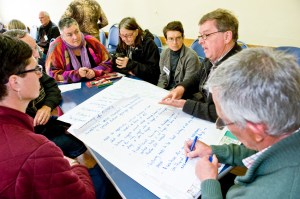
The “Talking Fire” weekend on 12/13 November lit a spark, but it certainly wasn’t damaging. The triangle of local, Indigenous and technical expertise, field and forest visits, and space to talk about what we’d heard and seen, all created another sort of ignition.

People are concerned about the places they love, including home, hearth and the local landscape more generally. Talking Fire was a great start to a new kind of conversation: about learning, reducing fear, building understanding, caring for our towns, settlements and the whole landscape together.

Thanks to everyone who participated and contributed. Especially Maldon Urban Landcare Group (MULGA). For funding – thanks to Mount Alexander Shire Community Grants, Maldon and District Community Bank (Bendigo Bank), Norman Wettenhall Foundation; catering – Newstead Primary School, Newstead Mens’ Shed; gifts – Goughs Range Olives and Newstead Natives; in-kind support – Newstead Landcare, Connecting Country, Newstead Fire Brigade, Newstead Auxiliary, Friends of Box Ironbark Forests, Bendigo TAFE, DELWP; photographers – Julie Hough, Julie Millowick, Christine Sayer, Marion Williams, Simon Beckett; sound recordists – Andrew Skeoch, Sarah Koschak; oral histories – Gordon Dowell. And three cheers for the planning group too.talking-fire_marionw-_low-res-4623

And mostly, to everyone who came to any of it, or all, and joined the chat. We think there were around 40 – 50 on each day, and not the same attendees, or speakers. It made for more conversations.

Because many people couldn’t attend the event, or only came to parts of it, we are curating the audio, visual and audio-visual of the weekend at our website http://www.talkingfire.org. You will be able to get a gist of the conversations there. But please be a bit patient for it all to arrive.

We are also interested in collecting ‘fire histories’ around the CFA auxiliary, and other fire experiences – to share and learn from. Contact Gordon 0467 586 881 or Janet 0439 003 469.

More info: http://www.talkingfire.org or Chris 54762457.